
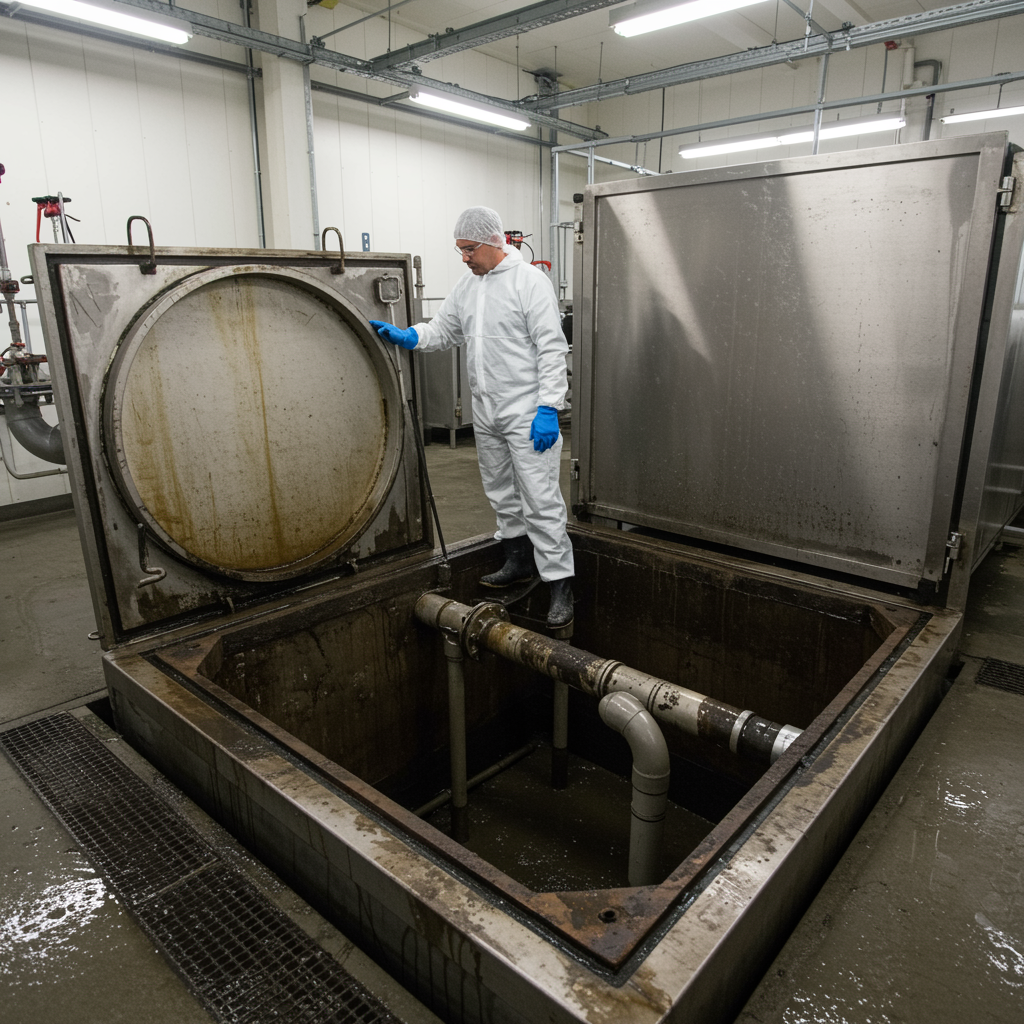
If you operate a commercial kitchen, café, restaurant, food processing facility or hospitality venue, one question should never be ignored: grease trap cleaning — how often is enough?
Grease traps play a critical role in protecting plumbing systems, preventing blockages and ensuring compliance with environmental regulations. Yet many businesses either clean them too late — leading to costly disruptions — or more often than necessary, increasing operating expenses.
Understanding the correct cleaning frequency is not just about maintenance. It is about protecting your reputation, avoiding downtime and ensuring smooth business operations.
Why Cleaning Frequency Matters for Commercial Operations
Grease traps are designed to capture fats, oils and grease (FOG) before they enter the wastewater system. Without proper maintenance, these substances accumulate and harden, causing:
- Severe pipe blockages
- Offensive odours
- Overflow incidents
- Environmental breaches
- Council fines
- Temporary kitchen closures
According to wastewater industry studies, grease is responsible for a significant percentage of commercial sewer blockages worldwide. For food businesses, even a single overflow incident can damage customer trust and disrupt trade.
The key question is not whether to clean your grease trap — it is how often.
Grease Trap Cleaning: How Often Is Recommended?
The cleaning frequency depends on several factors, including the size of your trap, the volume of food prepared and the type of waste generated.
However, as a general guideline:
Standard Industry Recommendation
Most commercial grease traps should be cleaned every 1 to 3 months.
Many councils and environmental authorities also recommend adhering to the 25% rule:
A grease trap should be cleaned when fats, oils and solids occupy 25% of the total trap capacity.
Waiting beyond this threshold significantly reduces efficiency and increases the risk of overflow.
What Affects Grease Trap Cleaning Frequency?
Not all businesses generate grease at the same rate. Several factors influence how often cleaning is required.
Type of Business
High-output kitchens typically require more frequent servicing, including:
- Fast food outlets
- Restaurants with fried menu items
- Hotels and large catering facilities
- Food manufacturing plants
Lower-output premises such as small cafés or coffee shops may require less frequent cleaning — but still on a scheduled basis.
Volume of Food Production
The more meals you produce, the more grease enters your wastewater system. Peak periods, such as holidays or seasonal events, may increase the need for additional servicing.
Grease Trap Size
Larger traps can hold more waste before reaching the 25% threshold. Smaller under-sink traps fill up quickly and often require monthly attention.
Kitchen Practices
Poor waste management accelerates grease build-up. Examples include:
- Pouring cooking oil directly down sinks
- Lack of food-scraping procedures
- Excessive use of oil-heavy cooking methods
Improved kitchen discipline can reduce the frequency — and cost — of cleaning.
Signs Your Grease Trap Needs Immediate Cleaning
Even if you follow a schedule, watch for warning signs that indicate urgent servicing is required:
- Slow drainage in sinks
- Gurgling sounds in plumbing
- Persistent unpleasant odours
- Visible grease accumulation
- Overflow or backflow
Ignoring these signs can lead to emergency call-outs, which are typically more expensive than routine maintenance.
The Cost of Delaying Grease Trap Cleaning
Delaying maintenance may seem like a cost-saving strategy — but it often leads to higher expenses.
Potential consequences include:
- Emergency plumbing repairs
- Business downtime
- Health inspection penalties
- Environmental non-compliance fines
- Reputation damage
In commercial environments, prevention is always more economical than reactive repairs.
Regular professional grease trap cleaning ensures your system operates efficiently and remains compliant with industry standards.
Best Practice Maintenance Schedule for Commercial Kitchens
To manage grease trap cleaning frequency effectively, consider implementing the following system:
Establish a Maintenance Log
Record:
- Cleaning dates
- Volume removed
- Inspection findings
- Any recurring issues
This documentation supports compliance and helps predict servicing intervals.
Schedule Preventative Servicing
Rather than waiting for warning signs, schedule cleaning in advance — typically monthly or quarterly depending on output.
Preventative scheduling:
- Reduces risk
- Controls costs
- Protects plumbing infrastructure
- Ensures uninterrupted operations
Partner With Professional Service Providers
Commercial grease traps require specialised equipment for:
- Full waste removal
- Proper disposal
- Safe transport
- Environmental compliance
Licensed operators ensure waste is disposed of responsibly and in accordance with regulations.
Expert Advice for Commercial Operators
From an operational standpoint, grease trap cleaning should be treated as part of routine facility management — not an afterthought.
Here are professional insights for commercial property managers and business owners:
- Budget for routine servicing as an operating expense
- Avoid internal DIY cleaning attempts
- Train kitchen staff on waste reduction practices
- Review grease trap capacity if your business expands
- Conduct periodic system inspections
In high-volume commercial environments, consistent maintenance protects not only plumbing but also staff safety and brand reputation.
Conclusion: Grease Trap Cleaning – How Often Should You Act?
The short answer: before it becomes a problem.
For most commercial kitchens, grease trap cleaning every one to three months is appropriate. High-output businesses may require monthly servicing, while lower-volume premises may extend to quarterly schedules — provided they remain under the 25% capacity threshold.
Ultimately, the right frequency depends on your operation, output and compliance requirements.
Proactive maintenance prevents blockages, protects your business from disruption and ensures environmental responsibility.
If you manage a commercial kitchen or industrial food facility, now is the time to review your servicing schedule. Professional grease trap cleaning ensures your system runs efficiently, safely and in line with industry expectations.
Don’t wait for an overflow to take action. Schedule preventative servicing and keep your business operating smoothly.